The mid-range smartphone market continues to evolve rapidly, offering consumers premium-grade features without flagship-level pricing. In 2026, two devices drawing considerable attention are the Google Pixel 10a and the Samsung Galaxy A57. Both smartphones aim to deliver excellent value, but they cater to slightly different audiences. From performance and camera capabilities to battery life and software longevity, each device has its own strengths.
This detailed comparison breaks down the key aspects of both smartphones to help you determine which one best suits your needs.
Table of Contents
ToggleDesign and Build Quality
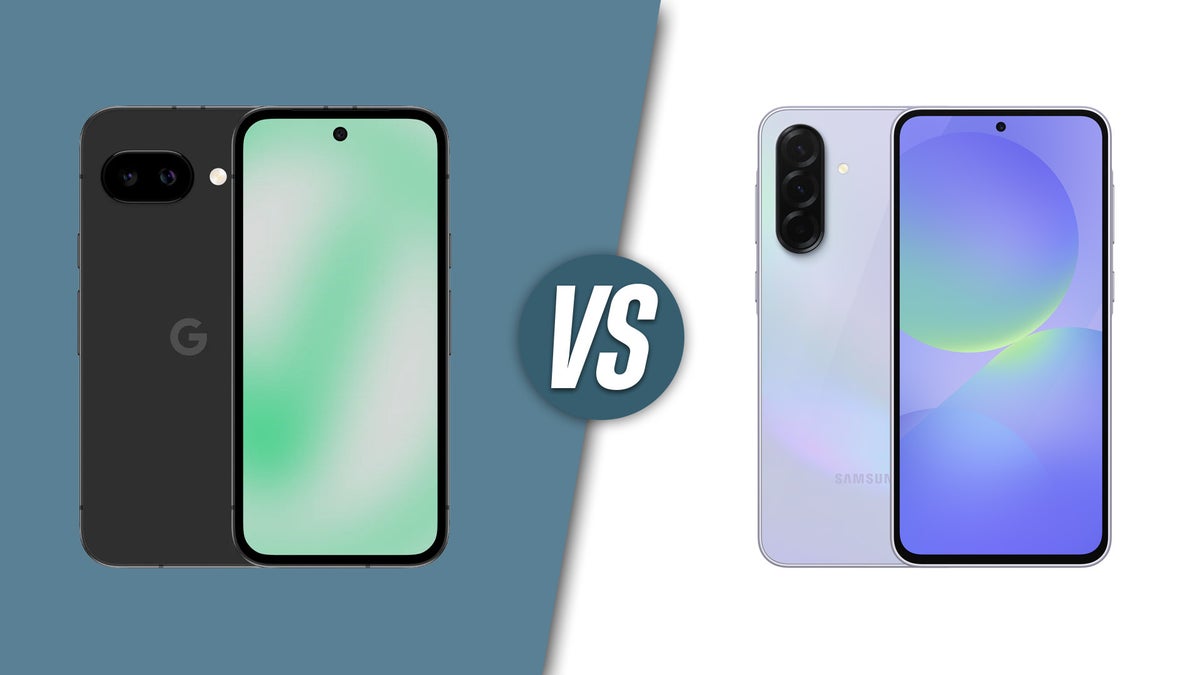
Google’s Pixel 10a continues the brand’s signature minimalist design language. It features a clean rear panel with a streamlined camera layout and a flat-edge aesthetic. The device is protected by Corning Gorilla Glass 7i and comes with an IP68 rating for dust and water resistance. This makes it one of the more durable options in the mid-range category, capable of withstanding submersion in water and exposure to dust.
In contrast, the Samsung Galaxy A57 offers a sleek and slightly more premium feel with its metal frame and glass back design. While it carries an IP67 rating, which still provides strong water and dust resistance, it falls just slightly behind the Pixel’s IP68 certification. The A57 also tends to have a larger overall footprint due to its bigger display.
If you prefer a compact and lightweight device for one-handed use, the Pixel 10a may feel more comfortable. However, users who enjoy a larger handset with a more traditional Samsung design approach might lean toward the Galaxy A57.
Display Performance
Display quality plays a crucial role in daily smartphone usage, whether for streaming content, browsing social media, or gaming.
The Pixel 10a features a 6.3-inch pOLED display with a resolution of 1080 x 2424 pixels and an adaptive refresh rate ranging from 60Hz to 120Hz. One of its standout features is its peak brightness, which reportedly reaches up to 3,000 nits. This makes it highly visible even under direct sunlight, giving it a strong advantage for outdoor usage.
The Samsung Galaxy A57, on the other hand, offers a larger 6.6-inch Super AMOLED display with Full HD+ resolution and a consistent 120Hz refresh rate. While its peak brightness is lower than the Pixel’s, it still delivers vibrant colors, deep contrasts, and excellent viewing angles. The larger screen also enhances the immersive experience for media consumption and gaming.
If brightness and compact design are your priorities, the Pixel 10a takes the lead. However, if you prefer a bigger display for watching videos and multitasking, the Galaxy A57 may be the better option.
Performance and Software
Under the hood, the Pixel 10a runs on Google’s Tensor G4 chipset, paired with 8GB of LPDDR5X RAM and UFS 3.1 storage. While the Tensor series is not necessarily known for outperforming competitors in raw benchmarks, it excels in AI-driven tasks and machine learning features. These enhancements improve voice recognition, photography processing, and system-level optimizations.
The device ships with Android 16 and stands out due to Google’s extended software commitment. The Pixel 10a is expected to receive up to seven years of Android OS and security updates, which is exceptional for a mid-range smartphone. This long-term support significantly enhances its overall value.
The Galaxy A57 is powered by Samsung’s Exynos 1680 processor, paired with capable graphics performance. It is designed to deliver strong multi-core processing and smoother gaming performance compared to previous A-series models. Samsung also offers extended software updates for its mid-range lineup, typically up to six years of OS and security updates.
For users focused on longevity and clean Android experience, the Pixel 10a has a slight advantage. However, if gaming and raw processing performance are higher priorities, the Galaxy A57 may offer better hardware performance.
Camera Capabilities
Camera performance is often a defining factor in smartphone decisions, and this is where Google traditionally excels.
The Pixel 10a features a dual-camera setup consisting of a 48MP main sensor and a 13MP ultra-wide lens. While the hardware configuration may appear modest compared to some competitors, Google’s computational photography capabilities consistently deliver outstanding results. Features such as enhanced HDR, AI-powered image optimization, and intelligent portrait processing help produce well-balanced, sharp, and color-accurate photos in various lighting conditions.
The Samsung Galaxy A57 offers a triple-camera system that includes a 50MP primary sensor, a 12MP ultra-wide lens, and a 5MP macro camera. This setup provides greater versatility, particularly for users who enjoy experimenting with macro photography. Samsung’s image processing tends to produce vibrant and saturated colors, which many users find appealing for social media sharing.
If you prioritize consistent image quality, especially in low-light situations, the Pixel 10a is likely the stronger performer. If you prefer more camera versatility and additional shooting options, the Galaxy A57 may be more appealing.
Battery Life and Charging
Battery capacity and charging speed significantly influence everyday usability.
The Pixel 10a is equipped with a 5,100mAh battery, which comfortably supports a full day of moderate to heavy usage. It supports 30W wired charging and also includes 10W wireless charging—an uncommon feature in this price segment.
The Galaxy A57 features a 5,000mAh battery and supports 45W fast wired charging. While it lacks wireless charging capability, its faster wired charging allows users to power up more quickly, which can be highly convenient for those constantly on the move.
If you value wireless charging and slightly longer battery endurance, the Pixel 10a holds an advantage. However, if fast wired charging is more important, the Galaxy A57 is better suited.
Overall Value and Conclusion
Both smartphones deliver excellent value within the mid-range segment, but they appeal to different user priorities.
Choose the Google Pixel 10a if you want:
-
Exceptional long-term software support
-
Best-in-class computational photography
-
Higher peak display brightness
-
Wireless charging capability
-
Stronger water resistance rating
Choose the Samsung Galaxy A57 if you want:
-
A larger and more immersive display
-
Potentially stronger gaming and graphics performance
-
Faster wired charging
-
More versatile triple-camera hardware
In conclusion, neither device is universally “better”—the ideal choice depends on your personal preferences. The Pixel 10a shines in software longevity, photography, and durability. Meanwhile, the Galaxy A57 excels in display size, performance potential, and charging speed. By identifying which features matter most to you, you can confidently select the smartphone that aligns with your lifestyle and expectations.
activeathens activeathens activeathens activeathens activeathens activeathens activeathens activeathens activeathens activeathens activeathens activeathens activeathens activeathens activeathens activeathens activeathens activeathens activeathens activeathens activeathens activeathens activeathens activeathens activeathens activeathens activeathens activeathens activeathens activeathens activeathens activeathens activeathens activeathens activeathens activeathens activeathens activeathens activeathens activeathens activeathens activeathens activeathens activeathens activeathens activeathens activeathens activeathens activeathens activeathens activeathens activeathens activeathens activeathens activeathens activeathens activeathens activeathens activeathens activeathens activeathens activeathens activeathens activeathens activeathens activeathens activeathens activeathens activeathens activeathens activeathens activeathens activeathens activeathens activeathens activeathens activeathens activeathens activeathens activeathens activeathens activeathens activeathens activeathens activeathens activeathens activeathens activeathens activeathens activeathens activeathens activeathens activeathens activeathens activeathens activeathens activeathens activeathens activeathens activeathens activeathens activeathens activeathens activeathens activeathens activeathens activeathens activeathens activeathens activeathens activeathens activeathens activeathens activeathens activeathens activeathens activeathens activeathens activeathens activeathens activeathens activeathens activeathens activeathens activeathens activeathens activeathens activeathens activeathens activeathens activeathens activeathens activeathens activeathens activeathens activeathens activeathens activeathens activeathens activeathens activeathens activeathens activeathens activeathens activeathens activeathens activeathens activeathens activeathens activeathens activeathens activeathens activeathens activeathens activeathens activeathens activeathens activeathens activeathens activeathens activeathens activeathens activeathens activeathens activeathens activeathens activeathens