
On Friday afternoon, residents of Kolkata experienced a sudden and unsettling natural event — strong earthquake tremors that spread throughout the city, prompting fear, evacuation of buildings, and a surge of social media activity. What initially began as seismic activity in neighbouring Bangladesh quickly made its presence felt in eastern India, particularly in the bustling metropolitan hub of Kolkata.
Table of Contents
ToggleSeismic Event and Tremors Felt Across Kolkata
At around 1:22 p.m. IST on February 27, 2026, an earthquake originating in Bangladesh was recorded. Seismic monitoring agencies, including the United States Geological Survey (USGS) and the India Meteorological Department (IMD), noted the quake registering between magnitude 5.0 and 5.4 on the Richter scale. The epicentre was located within Bangladesh’s territory, with tremors rippling outward toward Indian border regions.
Within minutes, strong vibrations were felt throughout Kolkata and its adjoining districts in West Bengal. The tremors, described by residents as more pronounced than in recent years, lasted for several seconds and were strong enough to shake ceiling fans, furniture, and windows, particularly in high-rise buildings and commercial hubs.
Public Reaction and Evacuations
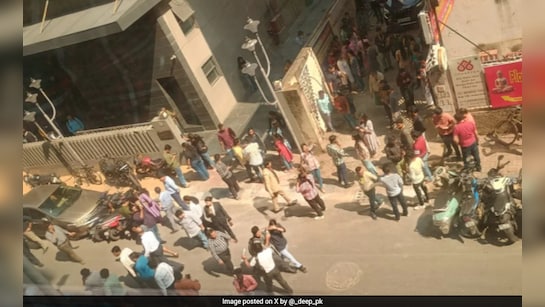
The sudden shaking triggered immediate reactions. Across the city, people — whether at workplaces, schools, or homes — rushed outdoors in panic and precaution. Office spaces, including corporate buildings and government complexes, were swiftly evacuated as employees prioritized safety over resuming work. Many gathered in open areas and streets while waiting for reassurance or official guidance.
The intensity of the incident caused significant social media engagement. Numerous videos and images circulated online showing residents coming out of high-rise apartments, colleagues helping each other down staircases, and long-distance reactions from various parts of the city. One social media user described climbing down 18 flights of stairs after feeling intense tremors, illustrating the level of concern among locals.
No Immediate Damage or Casualties
Despite the widespread alarm, early reports from authorities and emergency services indicated that there were no immediate reports of casualties or significant property damage in Kolkata. While the sensation of the quake was unmistakable, the city’s infrastructure appeared to withstand the event without major structural compromise.
Local officials continued monitoring the situation following the tremors. Even in the absence of immediate injuries or visible damage, authorities assessed buildings and infrastructure for any hidden weaknesses or secondary effects.
Why Was Kolkata Affected? Understanding the Geography
Kolkata’s proximity to Bangladesh played a key role in why the tremors were felt so distinctly in the city. The seismic waves originated from a relatively shallow depth underground and traveled across the border region due to geological formations that can transmit earthquake energy over considerable distances. This explains how a quake centred outside India can produce noticeable effects many kilometres away, especially in regions with soft soil and dense urban development.
Experts explain that earth tremors often propagate differently depending on both the magnitude of the quake and the soil composition of the affected regions. Dense urban areas with tall buildings, such as Salt Lake and central business districts, can experience amplified shaking due to building resonance and the nature of the city’s alluvial soil. This interaction can make even moderate quakes feel more intense locally.
Community Experience: Personal Accounts and Reactions
The human experience of the event was marked by a mix of anxiety and relief.
Office workers described the unsettling experience of their desks shaking and lights flickering, driving them to seek safety outdoors. Residents of high-rises noted that their ceiling fans swung noticeably and objects rattled on shelves, prompting many to head outside immediately. Social media platforms were filled with posts ranging from light-hearted reactions to genuine concern for family and friends.
While panic was widespread initially, most people acknowledged that the situation calmed after a short period. Community support and information sharing helped reassure many who were anxious about the possibility of aftershocks.
Lessons and Preparedness: Safety First
The incident serves as a reminder of the importance of earthquake preparedness, even in regions where such occurrences are not frequent. Emergency response protocols at workplaces, schools, and residential communities play a crucial role in reducing risk and ensuring orderly evacuation when necessary.
Authorities and safety experts reiterate that staying informed, knowing evacuation routes, and identifying safe open areas during tremors can significantly minimize harm. Regular earthquake drills and readiness education in workplaces and campuses can better prepare citizens for similar events in the future.
Overall, the tremors that shook Kolkata sparked fear and swift response from residents and professionals alike. Fortunately, the event concluded without serious injuries or major infrastructural damage. The episode underscores both the unpredictable nature of seismic activity and the resilience of urban communities when faced with sudden natural disturbances.