
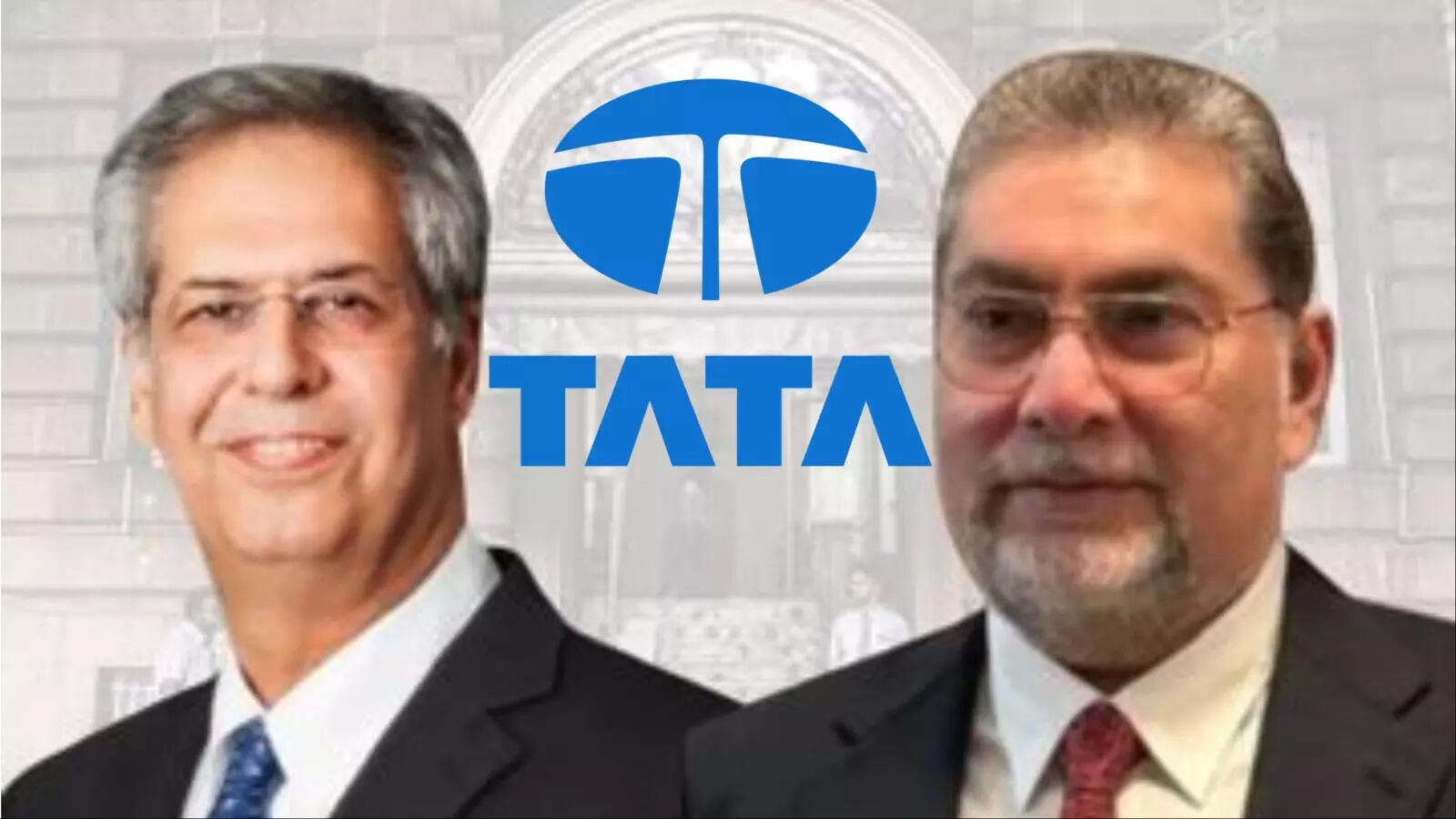
In a significant development for the Tata Trusts ecosystem, Mehli Mistry has stepped down from the governing council of the National Centre for Performing Arts (NCPA), Mumbai. His exit comes shortly after his removal from the prestigious Tata Trusts board, marking the end of his long-standing involvement with several influential institutions linked to the Tata group. Vijay Singh, a trustee of the Tata Trusts, has been appointed to replace him on the NCPA council, reflecting further consolidation of leadership within the Trusts.
A Long Association Draws to a Close
Mehli Mistry had served on the NCPA council as a nominee of the Sir Dorabji Tata Trust. On the council, he was part of a group of distinguished representatives from the Trusts, including Jehangir H. Jehangir and Pramit Jhaveri. His departure from the NCPA is another milestone in a series of key positions Mistry has relinquished in recent months.
His exit follows his removal as a trustee from the Tata Trusts, a decision that reportedly stemmed from differences between him and key members of the current leadership. Although the internal deliberations have not been publicly detailed, sources indicate that a faction of trustees, including Noel Tata, Vijay Singh, and Venu Srinivasan, opposed his reappointment. This opposition ultimately led to Mistry stepping down from the Trusts.
Governance Realignment at Tata Trusts
The Tata Trusts hold a majority stake in Tata Sons and play a central role in shaping the governance and long-term direction of the Tata group. Given this influence, decisions involving trustees often carry substantial weight. Mistry’s removal had drawn attention since he was widely known to be a long-time associate and confidant of the late Ratan Tata. His close ties and longstanding contributions made the shift particularly notable.
After exiting the Trusts, Mistry also stepped down from the board of the Small Animal Hospital Trust — a charitable initiative established by Ratan Tata to advance veterinary healthcare. In his resignation, he stated that it would be inappropriate to continue serving once he was no longer associated with the Tata Trusts, indicating his intention to maintain alignment with the institution’s governance principles.
casinoneats.com | youngpornme.com | clicknaturephoto.com
newztalking.com | mycollegeai.com
Transition in NCPA Leadership
The change at NCPA adds another layer to the evolving leadership structure within Tata-supported cultural institutions. The NCPA, founded in 1969 by J. R. D. Tata with assistance from the Tata Trusts and other patrons, has grown into one of India’s most respected cultural centres. Its mission to promote and preserve performing arts has shaped the country’s cultural landscape for more than five decades.
Vijay Singh’s appointment to the NCPA council suggests continuity in the Trusts’ role while signaling a transition toward new leadership priorities. The governing council also includes several distinguished members beyond the Trusts’ nominees, such as K. N. Suntook, who serves as Chairman and Member-in-Charge, Vice Chairman Noel Tata, Brinda Kahtau, and nominees from the Maharashtra state government.
A Series of High-Profile Exits
Mistry’s successive exits from the Tata Trusts, Small Animal Hospital Trust, and now the NCPA represent a clear withdrawal from key philanthropic and cultural roles. These changes have unfolded within a relatively short span, highlighting a period of reassessment and restructuring within the Tata philanthropic framework.
Given his longstanding ties with the Tata group, dating back decades, Mistry was often seen as an important link to the values and initiatives championed by Ratan Tata. His involvement spanned business-adjacent roles and leadership positions across charitable institutions that carried significant public value.
Shifting Dynamics After Ratan Tata’s Passing
The transition within the Trusts became more pronounced following the passing of Ratan Tata last year. His absence created an inflection point, with new leaders taking charge and reassessing governance practices, trustee roles, and strategic direction. Noel Tata, who took over as chairman, has overseen a period of recalibration in which several key decisions — including Mistry’s non-reappointment — were made.
This reconfiguration reflects broader questions about succession planning, institutional continuity, and the vision for the future of Tata-linked philanthropic and cultural organizations. While leadership transitions in such legacy institutions are not unusual, they often signal strategic shifts that can shape the trajectory of these bodies for years to come.
Conclusion: A Pivotal Moment in Cultural and Philanthropic Stewardship
Mehli Mistry’s exit from the NCPA board, following his removal from the Tata Trusts, marks the close of an important chapter in the governance of some of India’s most prominent philanthropic and cultural institutions. These developments reflect shifting leadership priorities within the Tata ecosystem as new trustees step into key roles and longstanding members transition out.
While the full implications of these changes will unfold over time, the reshaping of governance at the Tata Trusts and affiliated institutions like the NCPA will likely influence cultural stewardship, philanthropic strategy, and institutional direction in the years ahead. Mistry’s departure underscores the evolving landscape of leadership that continues to define the Tata group’s legacy and its broad contributions to India’s social and cultural fabric.