In a symbolic moment that has reignited discussions across the cricket community, Mohsin Naqvi, the Asian Cricket Council (ACC) chief, presented the Rising Stars Asia Cup trophy to Pakistan A after their stunning win over Bangladesh A in Doha. The final, which went into a nerve-wracking Super Over, showcased the depth of young Asian cricket talent. Yet, what truly caught global attention was the identity of the official presenting the trophy — the same Mohsin Naqvi who earlier had denied India the hosting rights of the senior Asia Cup despite India’s commanding win over Pakistan in the tournament’s final.
The atmosphere in Doha on Sunday was electric as Pakistan A and Bangladesh A battled fiercely for the Rising Stars Asia Cup title. The match went down to the wire, ending in a tie in regular play and pushing the contest into a Super Over. Pakistan A held their nerve during the high-pressure decider, eventually clinching the championship. As celebrations erupted, Mohsin Naqvi walked onto the podium to hand over the trophy, a gesture steeped in both ceremony and controversy.
The Trophy Presentation and Its Symbolism
Mohsin Naqvi’s involvement in the awards ceremony was not unexpected given his position as ACC chief. However, the moment immediately triggered conversations about his previous decisions and the long-standing tensions between India and Pakistan in cricket administration. Naqvi had notably denied India the hosting of the Asia Cup earlier this year, citing a combination of logistical, political, and security concerns. This led to the tournament being shifted to a hybrid model, which many Indian fans and administrators viewed as an undue compromise.
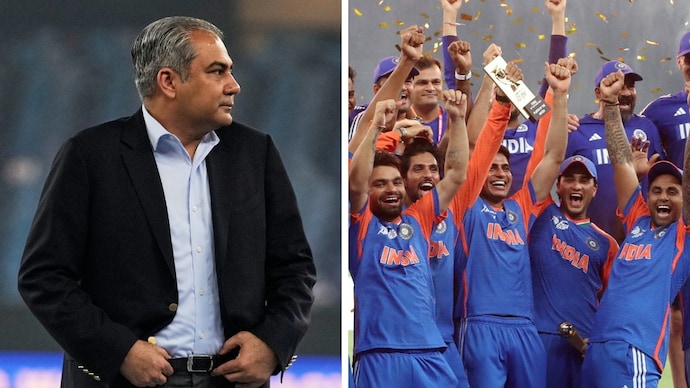
India not only participated in the altered tournament but went on to defeat Pakistan comprehensively in the final. Despite this, Naqvi’s decision remained a point of contention, particularly among Indian supporters who felt the cricketing powerhouse was denied its rightful hosting opportunity. Against this backdrop, watching Naqvi hand over the trophy to Pakistan A has added a layer of irony and revived debates about administrative neutrality.
Pakistan A’s Incredible Road to the Title
While the administrative angle adds a political dimension, the cricket itself was the true highlight of the Rising Stars Asia Cup. Pakistan A demonstrated tremendous grit and consistency throughout the tournament. Their performance in the final underscored the strength of their upcoming generation, eager to follow in the footsteps of Pakistan’s senior team.
Bangladesh A also delivered a memorable performance. Their resilience kept them alive until the very last moments of the final, proving that Bangladesh’s cricketing pipeline remains one of the most promising in Asia. The match was a showcase of young talent, athleticism, and competitive spirit — qualities that define the future of cricket on the continent.
Inspirebyblog.com | theeleganthub.com | MostlyAsianFood.com
DelishBlog.com | prosportsmanships.com
Naqvi’s Presence Rekindles Earlier Asia Cup Controversy
Mohsin Naqvi’s earlier decision regarding India’s hosting rights had already stirred controversy. Despite India being one of the strongest cricketing nations with world-class facilities, the ACC, under Naqvi’s leadership, shifted the Asia Cup away from Indian soil. The decision was met with criticism from Indian fans and experts who believed the move was motivated more by politics than practicality.
India’s emphatic victory over Pakistan in the Asia Cup final earlier this year had temporarily shifted the narrative back to on-field performances. However, the trophy presentation in Doha has brought the administrative tensions back into focus. For many, the contrast is striking: India’s senior team earned the Asia Cup title with dominant cricket, yet did not have the opportunity to host the event; meanwhile, Pakistan A received their trophy directly from the ACC chief who had denied India earlier.
The Larger Context of India–Pakistan Cricket Relations
Cricket remains one of the most emotionally charged sporting rivalries in the world, and off-field decisions often amplify this intensity. The India-Pakistan cricketing dynamic extends far beyond the pitch, influenced by history, politics, and diplomatic relations. Administrators, including ACC officials, frequently find themselves navigating these complexities.
Naqvi’s actions — both the denial of India’s hosting rights and the presentation of the trophy to Pakistan A — highlight the delicate interplay of sports governance and geopolitical realities. While the ACC aims to maintain neutrality, decisions are often interpreted through the lens of regional rivalries.
Focus Shifts to the Young Stars
Despite the buzz surrounding Naqvi, the young cricketers were the true stars in Doha. Pakistan A’s victory will give their cricketing structure significant momentum, showcasing the depth of talent waiting to break into the senior squad. Meanwhile, Bangladesh A’s valiant showing confirms that they are steadily building a strong foundation for future success at the international level.
The Rising Stars Asia Cup proved once again that youth tournaments are essential for shaping the next generation of cricket icons. The thrilling final, decided in a Super Over, exemplifies the competitive spirit and hunger these emerging players possess.
Conclusion
Mohsin Naqvi’s presence at the trophy ceremony has undoubtedly sparked renewed debate, especially given his earlier decision affecting India’s Asia Cup hosting rights. Yet, beyond the controversies, the tournament was a celebration of young talent and the vibrant future of Asian cricket. Pakistan A’s triumph will be remembered not just for the trophy they lifted, but for the resilience and passion they displayed on the field.
As the dust settles, the cricketing world will continue to debate administrative decisions, but the performances in Doha remind us that the heart of the sport still lies in the skill, courage, and determination of the players who take the field.